
5 Common Elevator Problems and How Professionals Fix Them
In modern urban environments, elevators are an essential part of daily life, providing efficient vertical transportation in our buildings. However, like any mechanical system, elevators can sometimes run into problems. When these issues arise, professionals are called in to ensure the safety and operation of these critical systems. In this post, we'll explore some of the most common elevator problems and how skilled mechanics work to resolve them, keeping our journeys smooth and safe. Reliable elevator services play a key role in maintaining convenience, safety, and accessibility for everyone using these systems daily.
1. Door Malfunctions
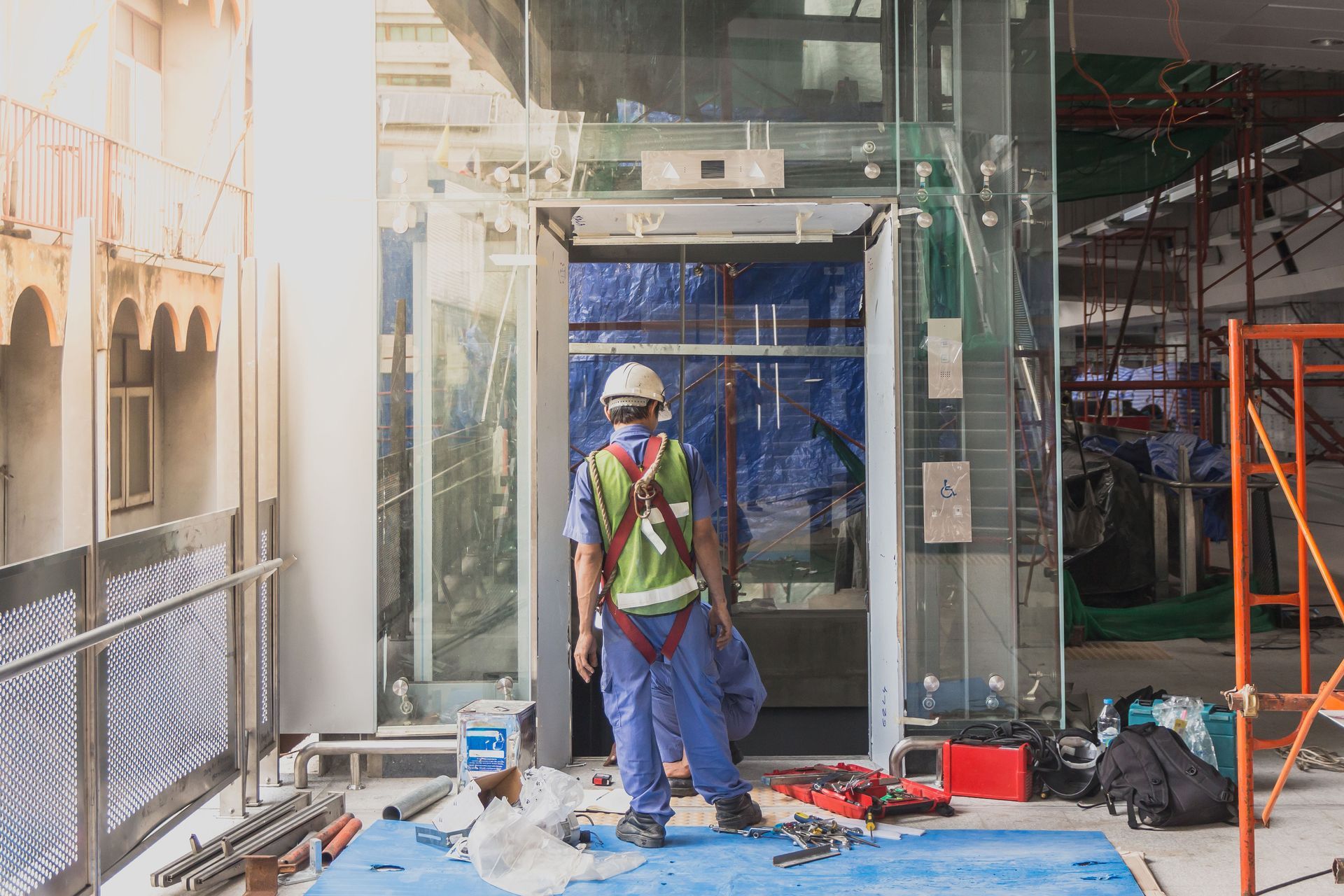
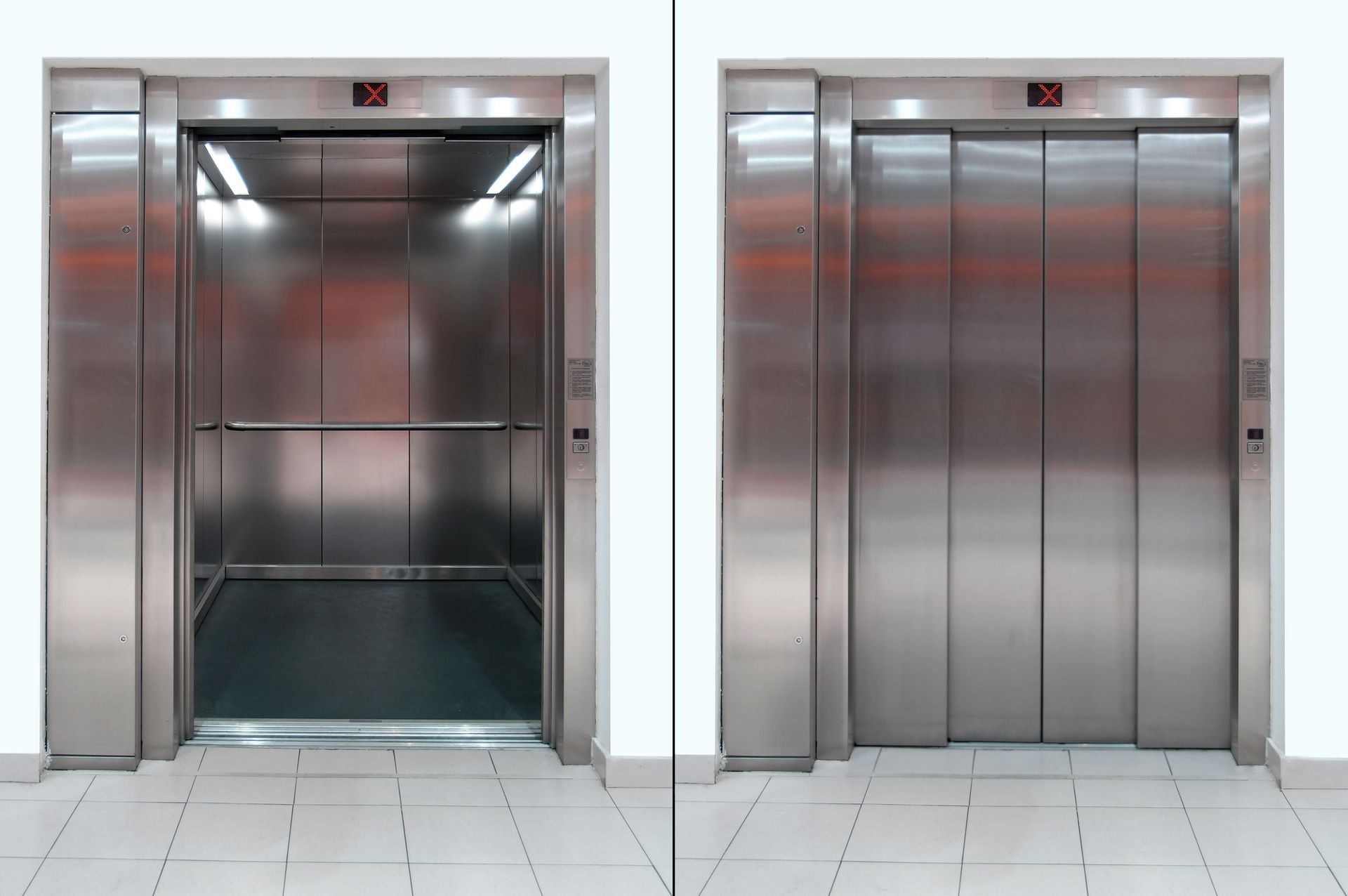
One of the most frequently encountered problems with elevators is door malfunction. This can manifest as doors not opening or closing fully, or they may simply become stuck. Professional mechanics address this issue by first examining the tracks and sensors associated with the doors. They perform thorough cleaning of the tracks and recalibrate the sensors to ensure smooth operation. Sometimes, more complex diagnostics are required to replace or repair faulty motors and electronic components that operate the doors. With expert elevator services, these issues can be resolved quickly to prevent prolonged downtime and maintain passenger safety.
2. Issues with Overheating Components
Elevator systems involve numerous mechanical components such as motors, cables, and bearings, which can sometimes become overheated, particularly in high-usage periods. If left unaddressed, these overheating issues can cause system failures or even fires. Professionals use thermal imaging cameras to detect overheating parts and replace worn-out components promptly. Regular maintenance is also conducted to ensure that lubrication levels are adequate and that all ventilation systems are functioning correctly to dissipate heat efficiently. Reliable elevator services include consistent inspections and proactive measures to prevent overheating before it leads to costly repairs.
3. Irregular Movement or No Movement at All
There are times when elevators might experience irregular movement, sudden stoppages, or even complete failures to move. These symptoms often point to issues with the pulleys, counterweights, or the braking system. According to Zippia, over 14,864 elevator mechanics are currently employed in the United States, and their expertise is crucial in systematically diagnosing problems with movement. They perform inspections, testing electrical circuits and mechanical systems to pinpoint failures. Parts like the traction motor or control system components might need repair or replacement to restore normal operation. Comprehensive elevator services often include emergency response options to minimize disruption for building occupants.
4. Alignment Issues
Elevator misalignment can cause a cab to stop between floors or create an uneven floor level, which poses safety risks for passengers. Fixing alignment issues involves professionals recalibrating the leveling mechanisms and adjusting the guide rails. They use precise tools to measure misalignments and ensure the elevator car comes to level with each floor accurately. Regular maintenance by professionals helps in the early detection of alignment problems, mitigating the risk of accidents and ensuring ADA compliance is met consistently. With proper elevator services, small alignment inconsistencies can be corrected early, extending the lifespan of the entire system and improving ride comfort, safety, and overall operational efficiency for both residential and commercial properties.
5. Power Failures
Power failures are another common cause of elevator downtime. When elevators experience sudden losses of power, it's crucial to have professionals address the electrical infrastructure supporting the elevators. Mechanics will inspect power supply circuits, backup generators, and battery systems to ensure consistent electricity availability for elevator operations. They also check control panels and wiring for signs of damage or corrosion that could lead to power issues. In cases of prolonged power interruptions, professionals might install advanced backup systems to maintain operability and improve resilience. Preventative elevator services often include reviewing a building's power supply systems to avoid unexpected outages.
Elevator problems, whether big or small, can significantly impact the daily commute for many people, making it essential that these systems operate seamlessly. From door malfunctions to alignment issues, the job of an elevator mechanic is both technical and indispensable. Their extensive training and the examinations they perform ensure that elevators remain safe and efficient. As urban environments continue to rely on these vertical transportation systems, the role of the elevator mechanic becomes increasingly crucial, exemplifying the important intersection of technology and safety. For more information about the elevator services that we offer, reach out to our incredible team at Stark Elevator today!


Share On: