.png)
Why Elevator Repairs Are Taking Longer in 2026
A national technician shortage and growing controller obsolescence are driving longer elevator repair delays. Learn what facility managers should check before an outage forces the decision.
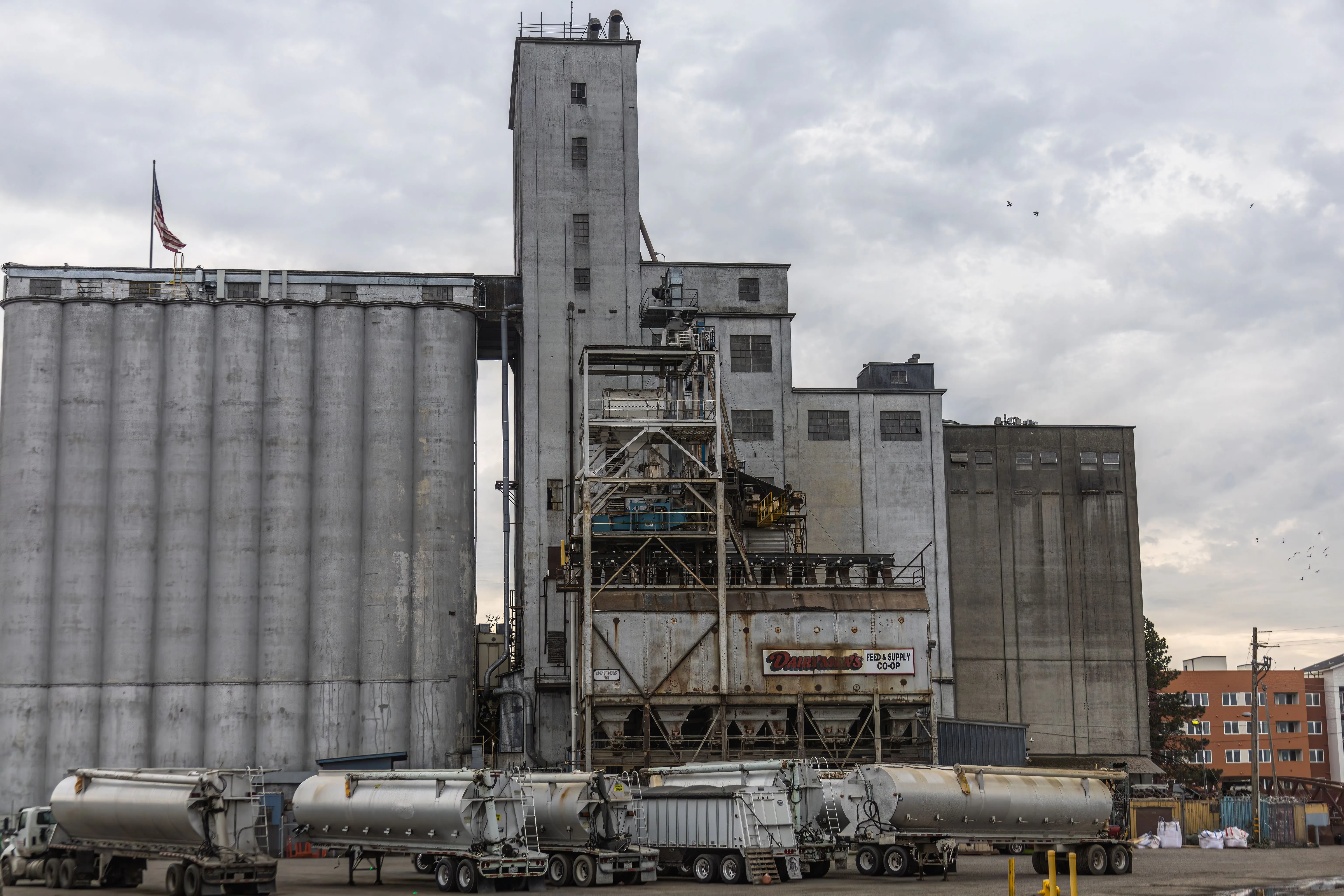

Building owners are waiting longer for elevator repairs than they did five years ago. Two pressures are behind it: a shrinking pool of licensed technicians, and a growing list of elevator controllers that manufacturers no longer support. Both hit industrial facilities harder than most.
A National Technician Shortage
There are more than one million elevators in the United States and roughly 24,000 licensed technicians to service them, or about one technician for every 43 units. In a recent Elevator World survey, nearly 70% of industry respondents named the availability of skilled labor as the greatest risk facing the industry.
For facility managers, this shows up as longer response times and reactive break-fix service in place of scheduled preventive maintenance.
Obsolete Controllers Are a Growing Risk
Many elevators installed in the 1990s and early 2000s run on control platforms that are no longer in production. Dover DMC-I, ThyssenKrupp TAC20, and older Schindler platforms are common examples. When a board fails on an unsupported controller, there may be no replacement part available to buy.
OEM part lead times now range from several weeks to several months. Some specialized components stretch beyond that. For a facility running a single freight elevator, that can mean equipment out of service for an entire quarter.
Why Industrial Facilities Feel It First
Plants, warehouses, and distribution centers often operate equipment that was installed with the building and never modernized. Freight elevators, material lifts, and rack and pinion hoists tend to be the last units on a capital plan, even though they carry the most operational weight.
When a passenger elevator goes down in an office building, people take the stairs. When a freight elevator goes down in a distribution center, product stops moving.
What Facility Managers Should Check
Identify the controller make, model, and installation year for each unit in your building. Ask your current service provider directly whether parts for that platform are still in production.
Review callback history. Repeated faults on the same unit are often the first sign that parts are getting harder to source. Move aging equipment into the capital plan before a failure forces the decision on a compressed timeline.
Independent Service and Parts Access
Stark Elevator is an independent elevator contractor, which means we are not limited to a single manufacturer's parts catalog. We service all makes and models, source components from multiple channels, and give a straight assessment on whether a unit should be repaired or modernized.
We are based in Beaumont and work across Southeast Texas and the Gulf Coast, so response time is measured in minutes rather than hours from a distant regional hub.
Schedule Industrial Elevator Maintenance
Unexpected elevator shutdowns disrupt employees, tenants, deliveries, and facility operations. Preventive maintenance and early equipment assessment are the most reliable ways to avoid them.
Stark Elevator provides industrial elevator maintenance, commercial elevator repair, inspections, modernization, and emergency elevator service throughout Southeast Texas.
Contact Stark Elevator to schedule an equipment assessment or preventive elevator inspection.